



Introduction
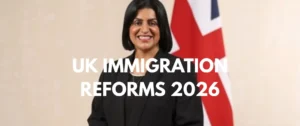
In March 2026, the UK government introduced a significant set of immigration reforms aimed at strengthening border control and improving the functioning of the migration system. These changes were presented to Parliament as part of a broader strategy to restore order and public confidence in the immigration framework while maintaining legitimate routes for students, workers and global talent. Understanding these reforms is important for anyone planning to study or move to the United Kingdom, as they clarify how the government intends to manage visas, asylum claims and long-term settlement.
Introduction of the “Visa Brake” Policy
One of the most notable changes is the introduction of a policy referred to as the Visa Brake. This measure temporarily restricts certain visa routes for nationals of specific countries where a high proportion of visa holders later claimed asylum in the UK. Under this policy, Student visa applications will be refused for main applicants who are nationals of Afghanistan, Cameroon, Myanmar and Sudan. In addition, Skilled Worker visa applications from nationals of Afghanistan will also be refused. This measure is scheduled to come into force on 26 March 2026. Applications submitted before that date are not affected. The government has emphasised that this measure is intended to protect the integrity of the immigration system and is not designed to be permanent. It will be reviewed regularly and may be lifted when conditions allow.
Reduction of Refugee and Humanitarian Protection Duration
Another reform relates to the length of stay granted to individuals recognised as refugees or in need of humanitarian protection. Previously, successful applicants were granted five years of permission to stay before applying for settlement. Under the new rule, this period will be reduced to 30 months. After this period, individuals will need to apply for renewal of their protection status. The change applies to adults and families, including accompanied children who claim asylum. However, unaccompanied asylum-seeking children are exempt from this change and will continue to receive five years of permission to stay. These changes will apply to asylum claims made on or after 2 March 2026.
New Rules for Further Asylum Submissions
The reforms also introduce stricter requirements for individuals submitting additional evidence after an asylum claim has been refused. These submissions, known as Further Submissions, will now only be considered valid if certain conditions are met at the time they are submitted. Applicants must be physically present in the UK, must already be classified as a failed asylum seeker, and must have no outstanding appeals or protection claims in progress. If these conditions are not satisfied, the submission may be rejected without consideration. The government has also introduced a rule allowing authorities to treat submissions as implicitly withdrawn if the applicant fails to maintain contact with immigration authorities, attend reporting appointments or respond to official requests for information.
Disclosure of Information on Asylum Claims
Another change clarifies the circumstances in which the Home Office can disclose information about asylum claims. Previously, rules restricted public confirmation of whether an individual had applied for asylum. Under the revised rule, the Home Office may confirm that an asylum claim has been made in certain cases where disclosure is considered to be in the public interest. However, the government states that such disclosure must still be handled carefully to ensure the safety and privacy of individuals involved.
New Visitor Visa Requirement for Nicaragua and St Lucia
The UK government has also introduced new travel requirements affecting two countries. Nationals of Nicaragua and St Lucia will now require a visitor visa before travelling to the United Kingdom. This rule came into effect on 5 March 2026 at 15:00 GMT. In addition, nationals of these countries will require a Direct Airside Transit Visa if they are transiting through the UK. Citizens of these countries will no longer be eligible to travel using the Electronic Travel Authorisation system. The government introduced this change after identifying increasing numbers of visitors from these countries entering the UK and later claiming asylum.
Extension of the Ukraine Permission Extension Scheme
Despite tightening certain immigration controls, the UK government confirmed continued support for people displaced by the war in Ukraine. The Ukraine Permission Extension Scheme has been extended to allow eligible individuals to remain in the UK for an additional 24 months. The application window for this scheme has also been expanded from 28 days to 90 days, making it easier for applicants to apply before their current permission expires. Individuals granted permission under this scheme will continue to have access to employment, education, healthcare and benefits while living in the UK.
Higher English Language Requirement for Settlement
The reforms also introduce changes to English language requirements for settlement applications. Under the new rules, the required English level for settlement in several immigration routes will increase from B1 to B2 according to the Common European Framework of Reference for Languages. This change is scheduled to come into effect on 26 March 2027, allowing applicants time to prepare for the higher requirement. The government states that the aim is to ensure individuals settling permanently in the UK are able to integrate fully into society and participate in the economy.
Revoking the Legal Duty to Provide Asylum Support
Another legislative change removes the automatic legal obligation to provide financial support and accommodation to asylum seekers who would otherwise be destitute. Instead, the government will restore a discretionary power to provide support where necessary. The goal of this policy is to move towards a more conditional support system in which assistance is focused on individuals who comply with immigration processes and demonstrate genuine need.
Conditions of Asylum Support and Illegal Working
Under additional changes, asylum seekers who receive government support may have that support suspended or withdrawn if they are found to be working illegally. The government states that individuals receiving asylum support are expected to comply with immigration conditions and that these measures are designed to ensure fairness and accountability within the system.
Consultation on Family Returns
The government has also launched a 12-week consultation on how families who have no legal right to remain in the UK should be returned to their home countries. The consultation explores ways to encourage voluntary departures while maintaining the ability to enforce removals where necessary. It also includes proposals on how enforcement procedures should operate while ensuring the welfare of children remains a primary consideration.
What These Changes Mean for International Students
For genuine international students, these reforms do not fundamentally change the UK’s commitment to international education. The student visa route remains open to applicants from the vast majority of countries and continues to be one of the main pathways through which international talent enters the UK. In fact, clearer enforcement and stronger migration controls can increase confidence in the student visa system by ensuring it is used primarily by those who intend to study and contribute academically.
Final Thoughts
The UK’s 2026 immigration reforms represent a significant adjustment to how migration and asylum are managed. While several measures tighten control over certain visa routes and asylum processes, the overall goal is to strengthen the credibility of the immigration system. For students planning to study in the UK with genuine academic intentions, the country remains one of the world’s leading destinations for higher education and global career development.
Book Your Free Consultation
At Universitio, we monitor UK immigration policies closely and help students understand how these changes may affect their plans. Our advisors guide you through university applications, visa preparation and the latest immigration rules so you can study in the UK with clarity and confidence. Book your free consultation today and start your UK study journey fully informed.